


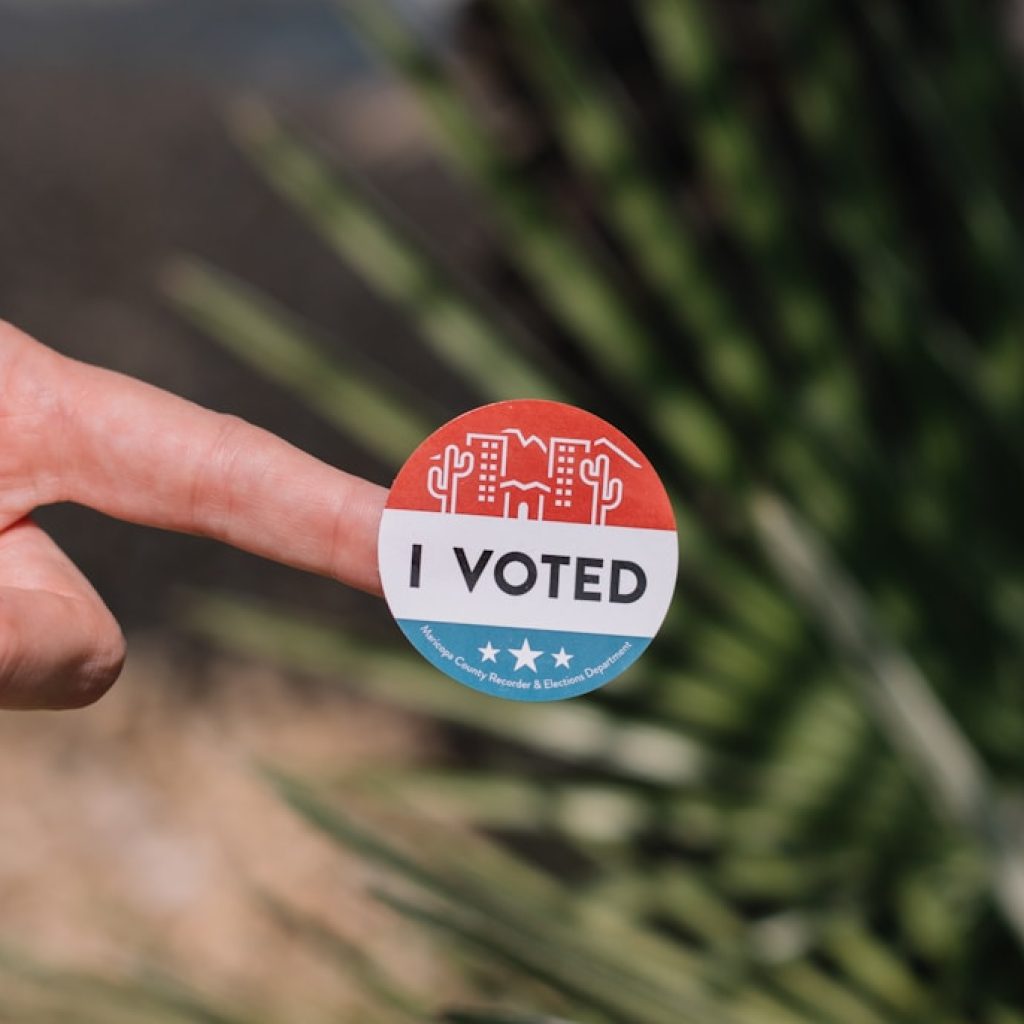
With the recent 2024 U.S. presidential election, brands face a delicate balance: how to acknowledge a major national event without alienating customers with differing political beliefs. As emotions intensify, many brands are opting to engage with the election in a lighthearted or apolitical way, recognizing the value in humor and unity over partisanship. This approach allows them to connect with consumers in a timely, relevant manner—without the risk of dividing their audience. Here’s how brands can navigate this tricky terrain with humor, creativity, and a shared sense of common ground.
1. Recognize the Risks and Benefits of Staying Neutral
Today, consumers are more likely than ever to respond to brands’ political stances—positively or negatively. A recent GWI survey found that 22% of U.S. consumers stopped using a product due to a brand’s political opinions within a three-month period. With nearly half of Americans reporting they avoid political content online due to feeling overwhelmed or seeing hostility, brands risk alienating a portion of their customer base if they take a firm stance on contentious topics. Therefore, a neutral, humorous approach offers brands a way to acknowledge the election while avoiding potential backlash.
2. Use Humor to Bridge Divides
Humor is a powerful tool, especially in polarized times. By leaning into the extremes of the political landscape with light-hearted campaigns, brands can provide consumers with a welcome escape from heated election rhetoric. For example, Red Lobster’s “Cheddar Bay 2024” campaign humorously parodied political advertisements by promoting their iconic Cheddar Bay biscuits as a “bite-partisan” symbol of unity. The campaign’s messaging—“When biscuits rise, America thrives”—offers a lighthearted take on political slogans, reminding customers that shared love for certain simple pleasures transcends political divides. Brands can take inspiration from this approach by identifying a product or value that resonates widely, using it to build campaigns that promote shared enjoyment and unity.
3. Embrace Themes of Positivity and Wellness
The election season can be stressful, with frequent political messaging inundating social media and news feeds. In response, brands can turn to themes of positivity and wellness to engage their audience in a way that doesn’t provoke political tensions. A brand like Stonyfield, for example, launched the “Toxic Free Election Challenge,” encouraging people to log off social media for a mental health break, framing it as an escape from “digital toxicity.” This approach aligns with their values and offers customers a much-needed mental reset.
4. Tap into Shared Values and Moments
Consumers appreciate brands that find common ground, especially during divisive times. Shared experiences and values—like community, friendship, or humor—are powerful tools for brands to highlight in their campaigns. A brand campaign could revolve around activities that bring people together, regardless of political stance, such as cooking, game nights, or nature. For example, a board game company might promote a “Game Night, No Debate” event, where families and friends can enjoy an election-free evening of fun.
Incorporating lighthearted themes, such as friendly competition or celebrating simple pleasures, gives brands an opportunity to resonate with consumers on a human level. Brands that effectively tap into these shared values remind customers that some things are bigger than politics.
5. Connect Through Social Media, Carefully
For brands, social media is a double-edged sword during election season. It’s a vital platform for engagement, but it’s also the site of many divisive discussions. During this time, brands should consider focusing on positive interactions and social listening, closely monitoring conversations to understand and address customer sentiments.
Social media campaigns that involve user-generated content can also create a sense of connection. A sports brand might launch a campaign encouraging fans to share photos of themselves watching games or engaging in other apolitical pastimes. With a tagline like “Together, We Cheer,” the brand can foster unity and joy among its followers, highlighting common interests that transcend political differences.
6. Plan Ahead to Avoid Potential Pitfalls
As Forrester’s report on advertising in an election year notes, brands should ensure they have protocols in place to avoid any unintended controversy. This might include reevaluating brand safety guidelines and keyword exclusions to avoid sensitive topics. Social listening tools can alert brands to any potential misinterpretations or negative reactions, enabling them to respond quickly if needed.
By planning ahead, brands can be proactive in monitoring for any unexpected fallout from their campaigns, reducing the risk of miscommunication and brand damage.
7. Stick to Your Brand’s Core Values
Lastly, authenticity is key. Election season is not the time to force connections or engage with the political sphere if it doesn’t align with your brand’s core values. Brands that stay true to their mission are more likely to resonate with their audience, even if they don’t explicitly mention the election. For example, if sustainability is a core value, an eco-friendly brand might run an election-season campaign encouraging people to “vote for the planet,” keeping the message focused on environmental awareness rather than political opinion.
In 2024, brands can stay relevant and engage with the election season without getting overtly political. By focusing on humor, positivity, and shared experiences, companies can connect with consumers across the political spectrum—no matter their beliefs. Embracing unity and lightheartedness allows brands to remind their customers of what they have in common, creating lasting connections that outlast any election.